































 Back
Back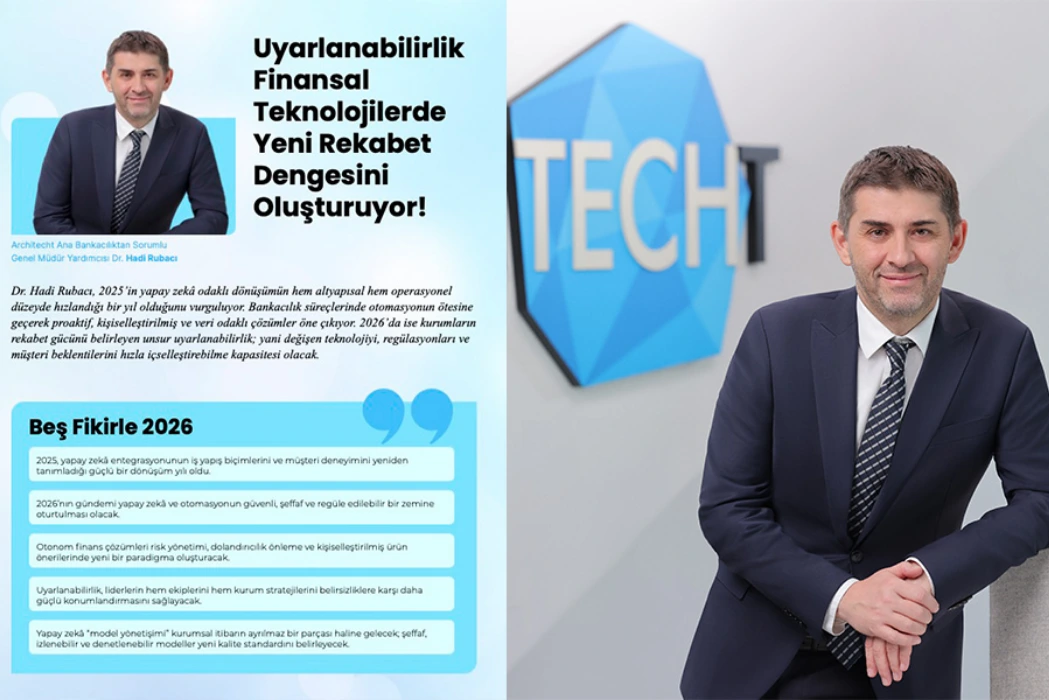
Funda Güleç Yalçın, Istanbul
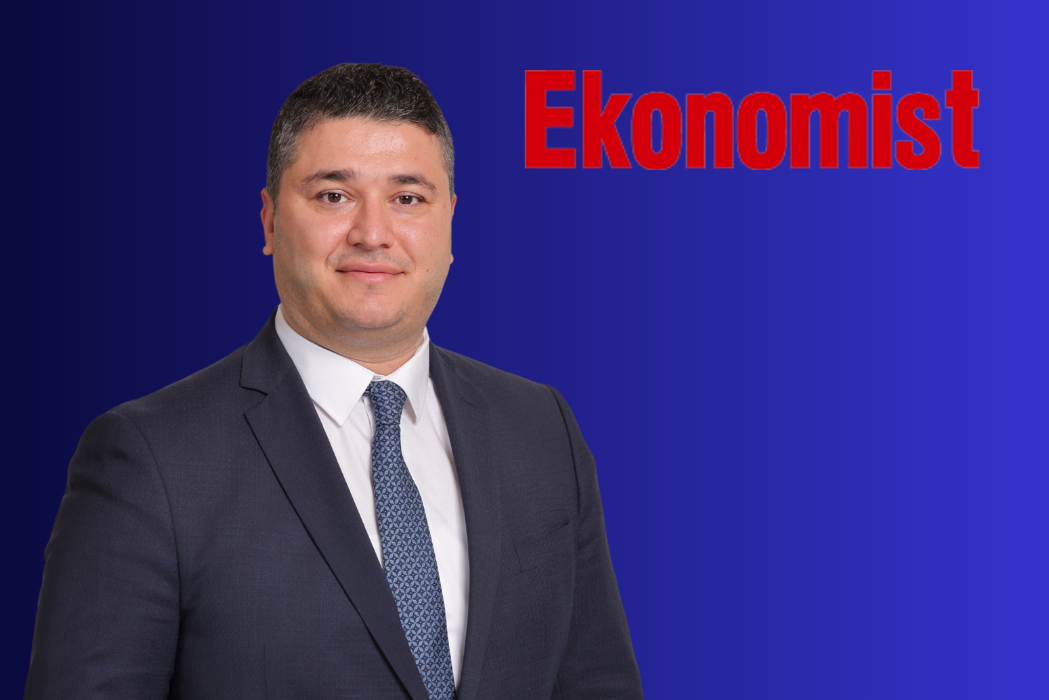
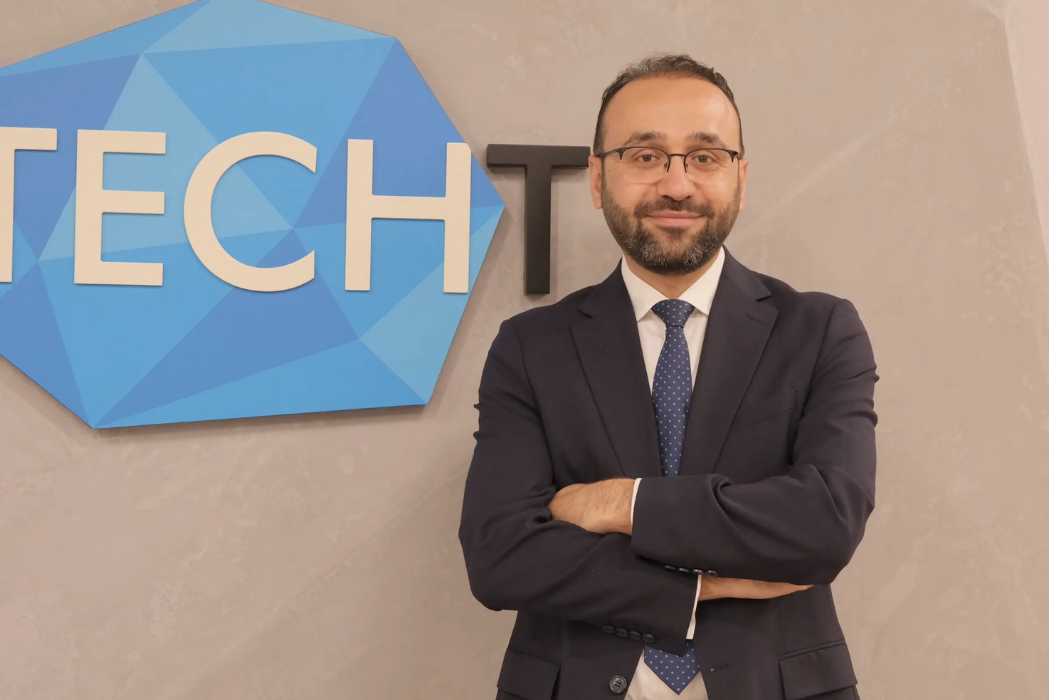
The exclusive interview we conducted with Dr. Hadi Rubacı, Deputy General Manager Responsible for Core Banking at Architecht, within the scope of Fintechtime’s December issue themed “New Agenda, New Values,” is now live.
“Dr. Hadi Rubacı emphasizes that 2025 is a year in which AI-driven transformation has accelerated at both infrastructural and operational levels. Moving beyond automation in banking processes, proactive, personalized, and data-driven solutions are coming to the forefront. In 2026, the factor that will determine institutions’ competitive strength will be adaptability—namely, the capacity to rapidly internalize changing technologies, regulations, and customer expectations.”
Five Ideas for 2026
- 2025 was a powerful year of transformation in which AI integration redefined ways of working and customer experience.
- The 2026 agenda will focus on positioning AI and automation within a secure, transparent, and regulatable framework.
- Autonomous financial solutions will establish a new paradigm in risk management, fraud prevention, and personalized product recommendations.
- Adaptability will enable leaders to position both their teams and institutional strategies more strongly against uncertainty.
- AI “model governance” will become an integral part of corporate reputation; transparent, traceable, and auditable models will define the new quality standard.
“Organizations that turn change into a natural part of their corporate culture will be the true drivers of direction in the future of financial technologies.”
If you had to summarize 2025 in a single word, which would you choose? Why?
If I were to define 2025 with a single word, it would certainly be “transformation.” This year marked a period in which not only infrastructural but also operational changes gained significant momentum across the financial technologies ecosystem. In particular, the integration of AI-based solutions into business processes has begun to redefine how institutions operate, while elevating customer experience to an entirely new level. Of course, this is only the beginning. With regulatory developments, we will witness very significant advancements in this area. I believe this AI-driven transformation process will play a decisive role in creating sustainable competitive advantage in our sector.
Which topic or topics do you think will be on everyone’s radar next year?
As we enter 2026, I anticipate two main themes will dominate the sector’s agenda. The first is making AI and automation more secure, transparent, and regulatable. The second is the widespread adoption of data-driven solutions that personalize customer experience end to end. While implementing technological innovations, institutions will also have to prioritize ethics, security, and regulatory considerations. Because the issue is no longer merely about producing technology, but about anticipating how that technology will reshape the social fabric. This is where the value of strategic thinking truly emerges: institutions that can define the boundaries of the future will stand out.
Is there a trend you expect to have a “game-changing” impact in 2026?
I believe the most significant game-changing impact in 2026 will occur in AI-powered autonomous financial solutions. The evolution of banking and financial processes to become not only automated but also decision-supportive and proactive will fundamentally transform paradigms across many areas—from risk management and fraud prevention to personalized product recommendations and operational processes. This transformation appears set to directly affect institutions’ competitive strength and positioning within the sector.
In your view, what will be the most critical value shaping leadership and corporate strategies in 2026?
In my opinion, the most critical value shaping leadership and corporate strategies in 2026 will be “adaptability.” In an environment where technology, regulations, and customer expectations change so rapidly, the ability of both teams and organizations to pivot in an agile and flexible manner, anticipate risks, and swiftly convert opportunities into value will become the key to sustainable success. This also requires leaders not only to manage uncertainty but to derive meaning from it. Decision-making processes will no longer progress linearly; instead, a more holistic approach that balances intuition, experience, and data will come to the forefront. Ultimately, the true strength of institutions will be revealed not by how quickly they react to change, but by how effectively they make change a natural part of their corporate culture.
As a leader, which sources do you draw inspiration from? Do you have any reading, viewing, or listening recommendations for our readers?
I place great importance on drawing inspiration from different disciplines. I closely follow current publications and podcasts on technology, strategy, human behavior, and leadership. Content that addresses complex issues from multidimensional perspectives particularly inspires me. In addition, I believe national and international sectoral analysis reports and benchmark studies serve as important guides in strategic decision-making processes. During my travels and daily walks, I make a point of spending time with such enriching content. MIT Technology Review’s in-depth analyses, TechCrunch’s daily newsletters, and a16z’s technology and trend-focused podcasts help me interpret the rapidly changing ecosystem from a broader perspective. From time to time, I also revisit documentaries such as The Mind of the Universe, which question humanity’s relationship with technology—productions that refresh my thinking about the world of tomorrow. In Türkiye, TÜSİAD’s technology-focused reports are particularly valuable in connecting local dynamics with the global context. Ultimately, cultivating an interdisciplinary culture of curiosity—without becoming fixated on a single source—provides me with strong reference points in leadership.
Looking ahead, if you had to point out a topic that everyone will be talking about in 2026 but is not sufficiently on the agenda today, what would it be?
The topic that will become increasingly prominent in 2026—yet, in my view, is still not sufficiently discussed today—is enterprise-scale AI “model governance.” Ensuring that decisions made by AI systems are traceable, transparent, auditable, and accountable will emerge as a new competitive parameter. Institutions will differentiate themselves not only through speed and accuracy, but also through reliable and ethical AI strategies. This is because scalable AI is becoming a strategic issue directly on the radar of boards of directors, not just technology teams. As regulations tighten, institutions will be required to make it possible—within corporate memory—to monitor how their models behave, which datasets they are trained on, and how potential risks are managed. This will create a new quality standard among companies; those that view model governance not as a burden but as part of corporate reputation will move ahead. In short, 2026 is shaping up to be a year in which, in the AI race, not the fastest—but the most responsible—will win.