





























 Back
Back
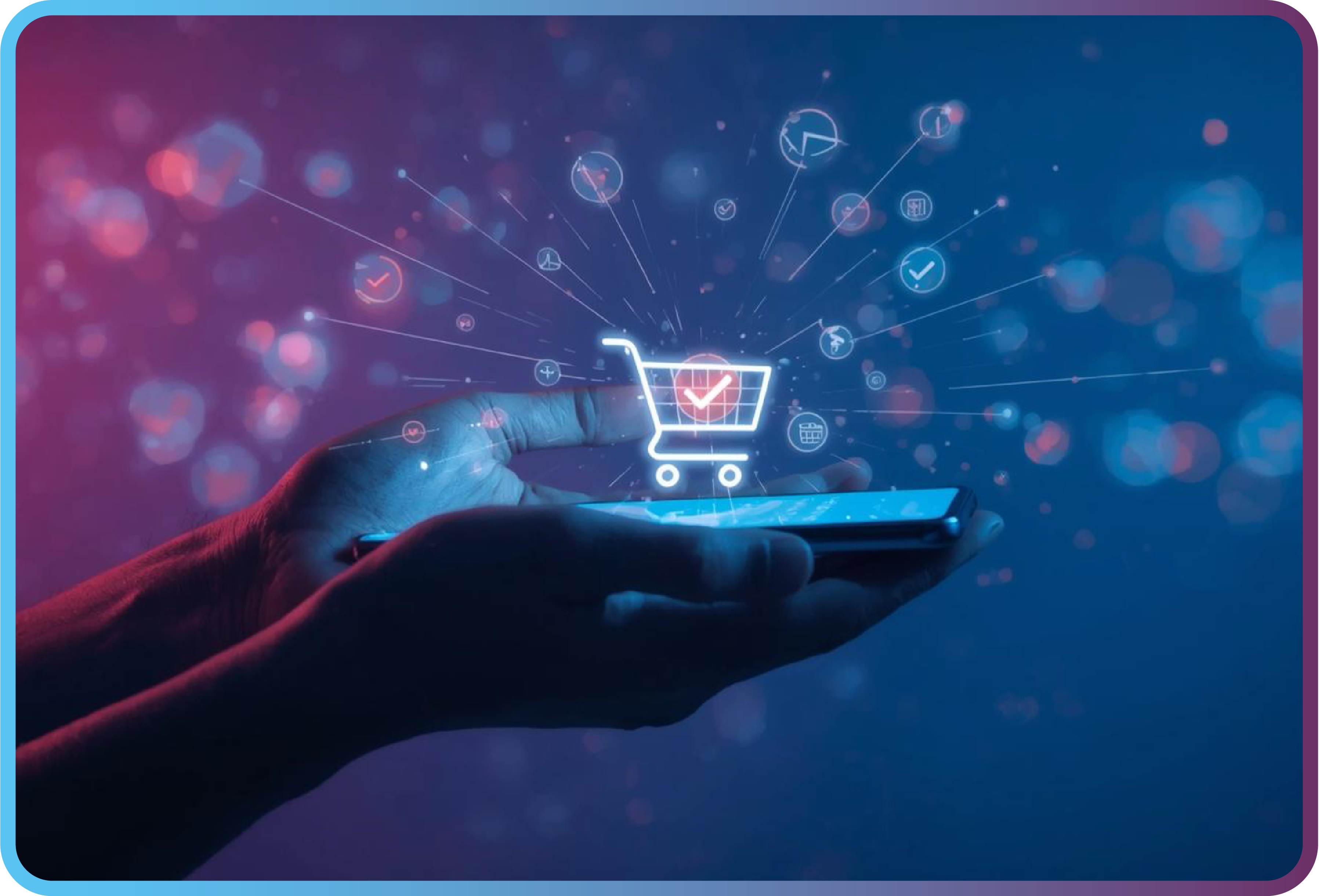
From online shopping and mobile applications to subscription systems and in-store payments, many transactions are completed within just a few seconds. While the process appears quite simple from the user's perspective, a multi-layered technology and operational infrastructure is working behind the scenes.
Today, accepting payments is not simply about having a POS device or a virtual POS screen. Supporting different payment methods, ensuring secure transaction flows, managing refunds, and accurately reporting financial activities are also important parts of the process.
At this point, Payment Service Provider (PSP) structures come into play. Especially with the growth of e-commerce, fintech, and omnichannel sales models, payment services infrastructures have become one of the fundamental requirements for businesses.
What Is a Payment Service Provider (PSP)?
A Payment Service Provider (PSP) offers the technological infrastructure that enables businesses to accept payments from customers through digital or physical channels.
In simple terms, PSP structures function like a cash register system, collection center, and security checkpoint in the digital world. While users complete their payments within seconds, bank communications, card verification, security checks, and transaction records are processed simultaneously in the background.
Through a payment service provider, businesses can manage credit cards, debit cards, bank transfers, digital wallets, and alternative payment methods through a single infrastructure.
Especially in omnichannel payment processes, platforms such as BOACard Payment Systems Platform can combine physical POS systems, virtual POS solutions, card management, and payment operations under a centralized structure.
What Does a PSP Do?
A payment service provider primarily handles the technical and operational management of the payment process.
The main capabilities offered by these structures include:
- Consolidating different payment methods into a single platform
- Transmitting card payment transactions to banks
- Managing payment authorization and capture processes
- Detecting fraud attempts
- Tracking refund and chargeback processes
- Providing reconciliation and financial reporting
- Operating online and physical payment channels together
For example, in a marketplace, one customer may pay with a credit card while another prefers a digital wallet. A PSP infrastructure can manage all these payment methods through a single system. At the same time, merchant-based payment distribution, refund processes, and transaction records remain under control.
Similarly, for a retail brand that uses both physical stores and a mobile application, in-store POS transactions and online subscription payments can be unified under the same customer experience. This structure forms the foundation of the omnichannel payment experience.
What Does the User See?
The part visible to the user is usually quite simple.
A customer adds a product to the cart, enters card details, and completes the payment. In a physical store, the card is either tapped on a POS device or a contactless payment is made via a mobile phone.
From the user's perspective, the process generally consists of the following experiences:
- Fast payment screens
- Stored card usage
- One-click payment experiences
- A sense of transaction security
- Successful or failed transaction notifications
In reality, the user only witnesses the final few seconds of the transaction. Most of the process takes place behind the scenes.
What Happens Behind the Scenes?
When a payment transaction begins, the PSP infrastructure manages multiple processes simultaneously.
In the first stage, payment orchestration comes into play. In other words, the system organizes the appropriate flow among cards, digital wallets, bank transfers, and alternative payment methods.
Next, the authorization process begins. Card information is verified, communication with the bank is established, and transaction approval is obtained. In some industries, payment collection occurs instantly, while in other structures the capture process may be completed later.
Another critical area is fraud prevention systems. Suspicious transaction behaviors, unusual locations, and risky activities are analyzed in real time. Especially in card payment systems, AI-powered analytics models are being used increasingly. At this point, the Explainable Artificial Intelligence (XAI) approach contributes to interpreting risk decisions more transparently.
After the transaction is completed, reconciliation processes take over. The system reports which payment belongs to which order, how much has been collected from each bank, and which refunds have been completed.
Chargeback processes are also important components of PSP structures. If a user disputes a transaction, the related records must be monitored and managed accordingly.
The Difference Between a PSP, a Bank, a Payment Institution, and a Physical POS
The concept of a PSP is sometimes confused with banks or POS devices.
A bank is the institution where financial funds are held. A physical POS is the hardware used to accept payments. Payment institutions may provide specific financial services within a regulatory framework.
Payment service provider structures, on the other hand, can be viewed as the technology layer operating between these systems. They bring together different payment methods, banks, POS systems, and digital channels under a single operational framework.
With the rise of the Embedded Finance approach in recent years, payment experiences are becoming a natural part of applications. PSP infrastructures play a significant role in enabling this transformation.
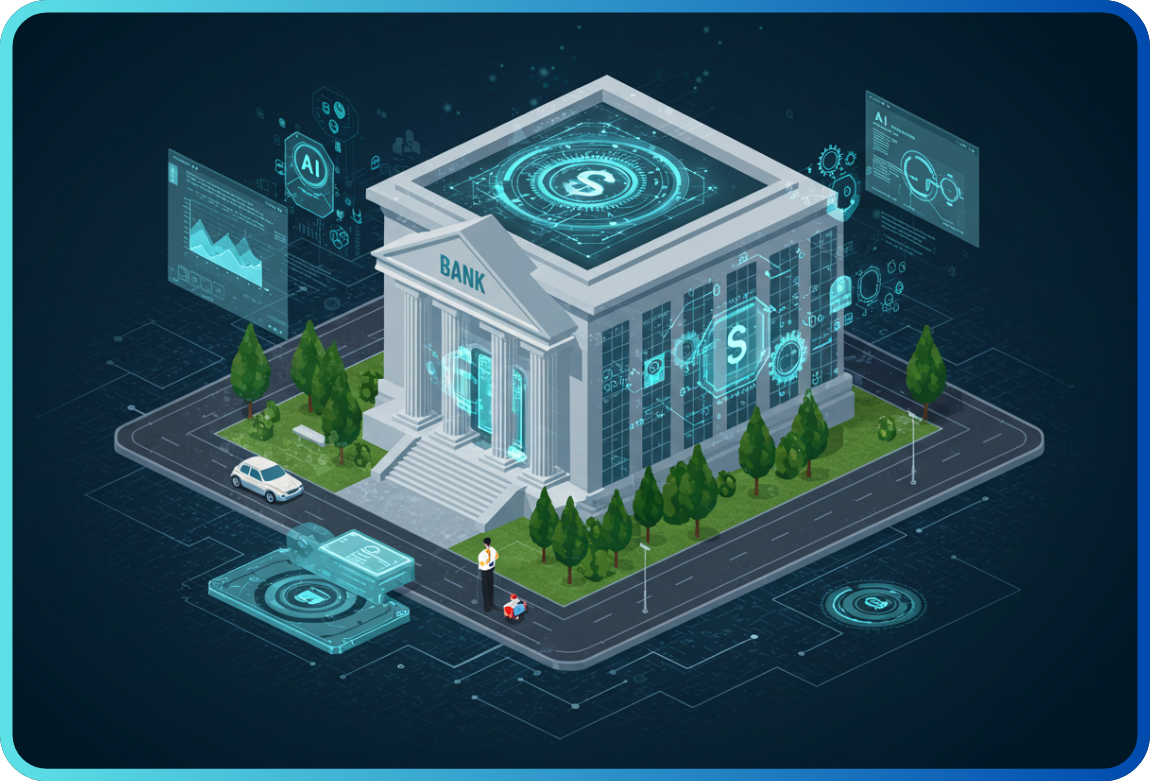
Likewise, the increasing use of artificial intelligence in the financial sector is creating new opportunities in fraud management, transaction analysis, and customer experience. For a more detailed evaluation of this topic, the article titled Banking and the Use of Artificial Intelligence provides valuable insights.
Key Considerations When Choosing a PSP
When selecting a payment service provider, businesses should evaluate not only payment acceptance capabilities but also operational sustainability.
The key considerations include:
- Regulatory and security compliance
- PCI DSS (Payment Card Industry Data Security Standard) support
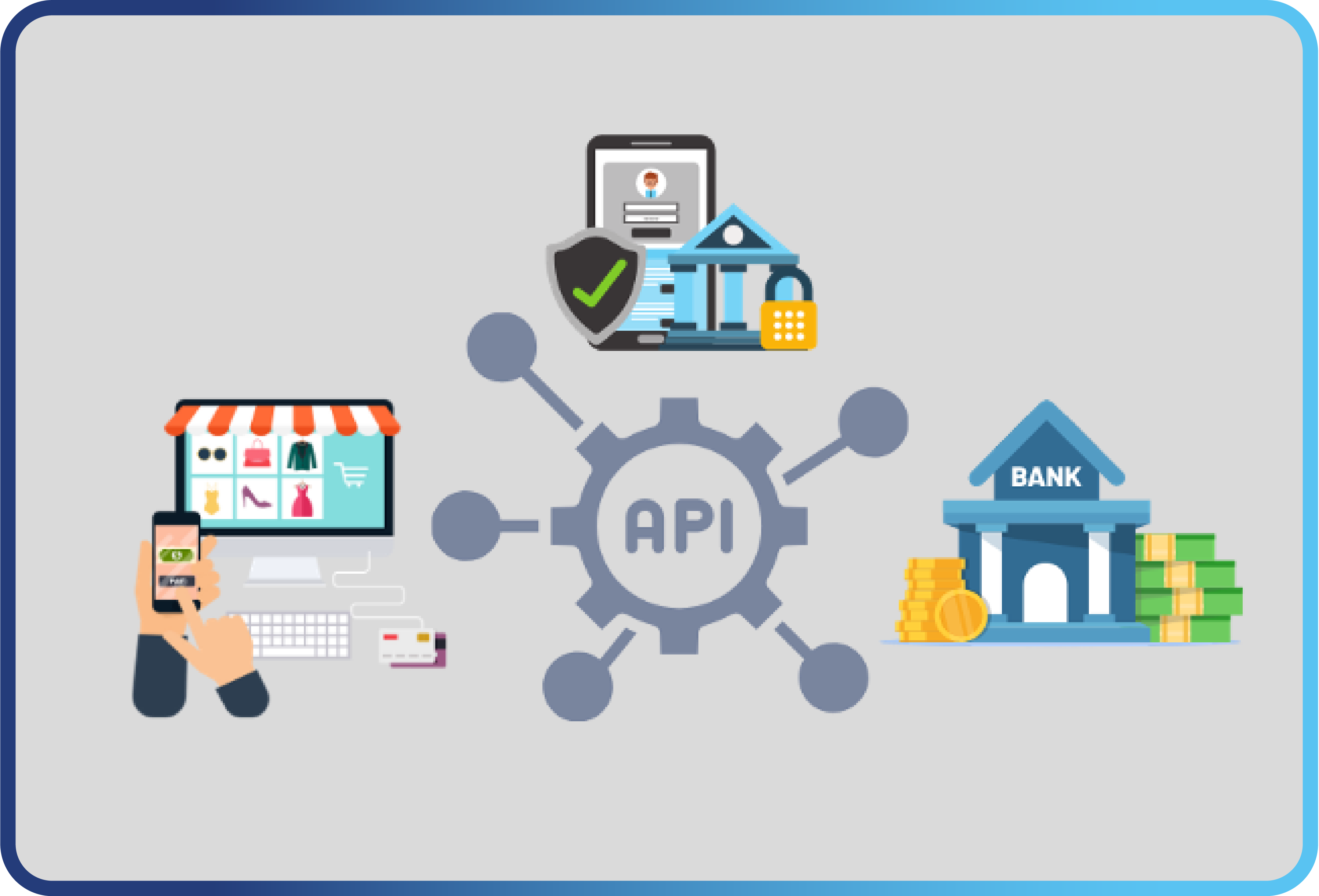
- Ease of API integration
- Support for multiple payment methods
- Strong reporting and reconciliation infrastructure
- Refund and chargeback management
- Scalable architecture and high availability
Especially for growing fintech and e-commerce businesses, choosing flexible and scalable payment service providers can provide significant long-term advantages.
Conclusion
Although the payment experience appears to be a transaction lasting only a few seconds from the user's perspective, it relies on a multi-layered technology and operational infrastructure behind the scenes. Payment service provider infrastructures simultaneously manage numerous processes, from security and payment collection to reporting and omnichannel payment management.
As e-commerce, embedded finance models, and digital banking applications continue to grow, the importance of payment service provider structures is increasing even further. These infrastructures will continue to serve as the foundation of the fast and seamless payment experiences that users expect in the future.