





























 Back
Back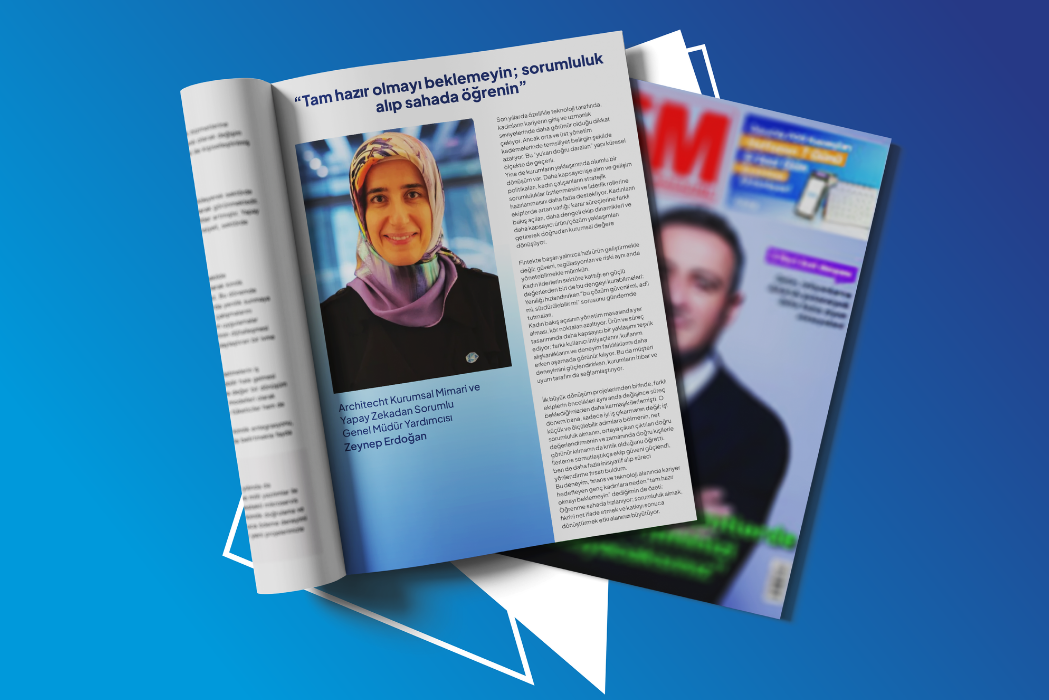
PSM Magazine – March
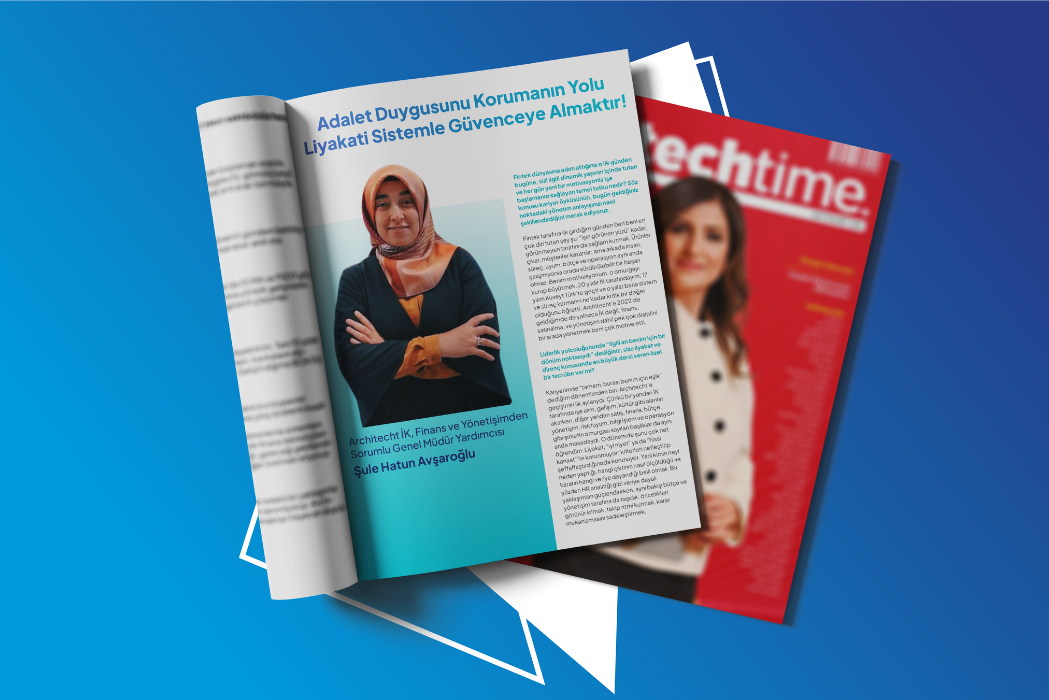
How do you evaluate women's employment in the finance and technology sectors? What are your views on the ratios among general employees and the visibility at mid- and senior-management levels?
The increase in women’s employment in the finance and technology sectors in recent years is a pleasing development; however, the current picture still has not reached the desired balance. Especially on the technology side, although women are more visible at the entry and specialist levels of their careers, we see that representation significantly decreases at mid- and senior-management levels. This “narrowing upward” structure is not unique to our country; a similar trend exists globally.
Still, we can say that there has been a positive transformation in the approach of institutions. More inclusive recruitment and development policies increasingly support women employees in taking on strategic responsibilities and preparing for leadership roles. The growing presence of women in teams brings different perspectives to decision-making processes, more balanced team dynamics, and more inclusive product/solution approaches—directly translating into corporate value.
The fact that the ratio of women employees in our company Architecht is above the sector average both in the overall organization and in management levels is an important example showing that this approach resonates. I believe that as diversity increases, the fintech ecosystem evolves into a more flexible, more resilient, and more future-ready structure. To make this gain permanent, placing equal opportunity at the center of company culture, designing processes that reduce bias, and making role-model women leaders more visible are critically important.
How do women leaders contribute to the vision of the fintech sector? How do you think different perspectives create change in the industry?
Success in fintech is possible not only by developing products rapidly but also by managing trust, regulations, and risk simultaneously. One of the strongest values women leaders bring to the sector is the ability to establish this balance: accelerating innovation while keeping the questions “Is this solution safe, fair, and sustainable?” on the agenda.
Having a female perspective at the decision-making table reduces blind spots. It encourages a more inclusive approach in product and process design; it makes different user needs, usage habits, and experience differences more visible at an earlier stage. This strengthens the customer experience while also reinforcing the institution’s reputation and compliance aspects.
At the same time, women leaders create working environments where psychological safety is strengthened and where all stakeholders have an equal voice. This approach contributes to the development of a corporate culture that encourages idea generation, increases the sense of ownership, and supports sustainable talent retention. As the number of role-model women leaders increases, young women’s belief that they can find a place in the industry grows stronger, and invisible barriers are overcome faster. The spread of women’s leadership stands out as an important driving force in the evolution of the fintech ecosystem into a more balanced, inclusive, and resilient structure.
Based on your own career journey, what would you recommend to young women planning a career in finance and technology?
Looking at my own career journey, I can say this clearly: In one of my first major transformation projects, the process progressed more complicated than expected when the priorities of different teams changed simultaneously. That period taught me that it is not only about doing good work; it is also critical to break the work into small and measurable steps, take clear responsibility, and make the outputs visible to the right people at the right time. As progress became more tangible, team trust strengthened, and I had the opportunity to take more initiative and lead the process. This experience is also the reason why I tell young women who aim for a career in finance and technology: “Don’t wait to be fully ready.” Learning accelerates in the field; taking responsibility, expressing your ideas clearly, and turning contribution into results expand your sphere of influence.
As 8 March reminds us, the visibility of women becomes permanent not by individual effort alone but through a culture where people create space for each other and lift one another up. Therefore, do not hesitate to claim and share your success and to open the door for the next woman who says “I can do it too.” Being active in women’s professional networks, establishing mentoring relationships, and taking on new responsibilities by working with different teams both increase courage and naturally bring new opportunities your way. Most importantly, building a bridge between taking the floor and keeping your word: expressing an idea and staying within the steps that bring it to life. The stronger representation of women in the fintech ecosystem strengthens today while building a more just and more innovative financial world for the future.