





























 Back
Back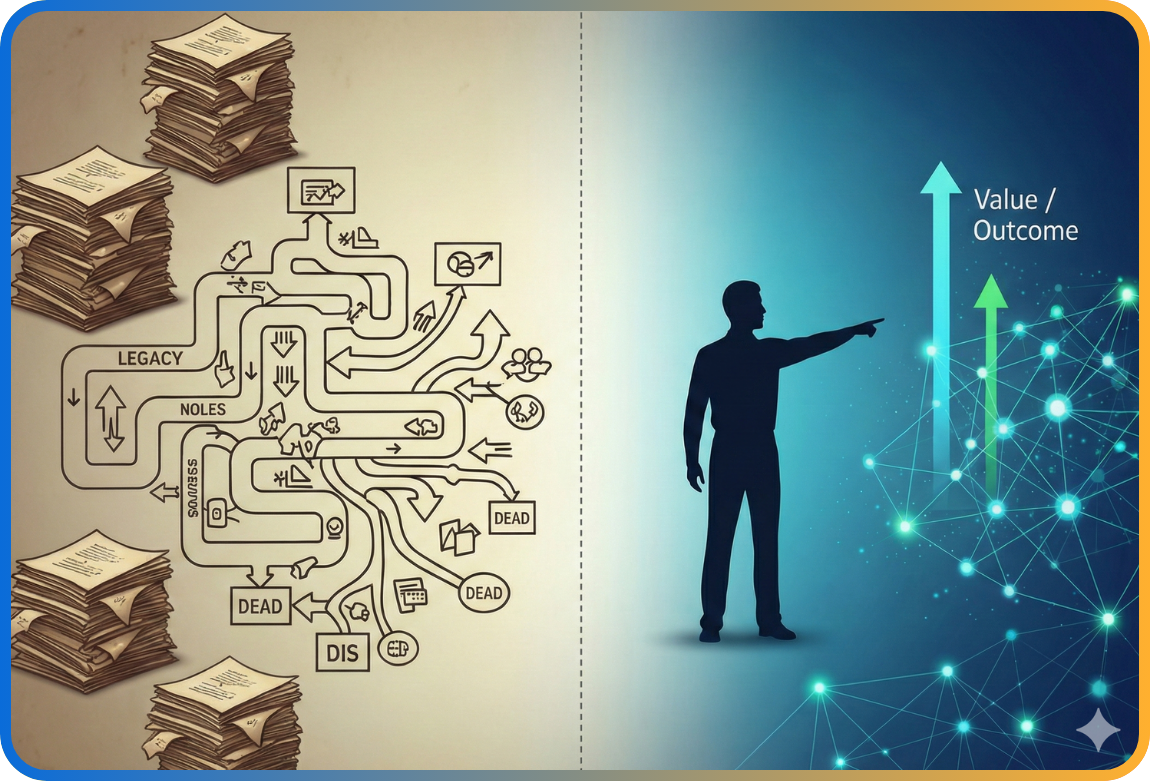
Strategies for Transitioning from Documentation to Value
Propelled by technology's momentum, the business world is transforming at high speed. Artificial intelligence (AI) can automate routine tasks and information-centric activities, which raises concerns about the future of certain roles. In the early years of computers entering the workplace, many—from accountants to secretaries—resisted change out of fear that "machines will take our jobs." Over time it became clear that computers actually made work easier and freed people up for more valuable work. The anxiety we see in the age of AI today may be a new version of that same cycle.
Studies indicate that AI will not eliminate roles entirely; rather, professionals who can use it as a force to increase strategic speed and efficiency may replace peers who do not adopt it. According to International Monetary Fund (IMF) reports, nearly 40% of global employment will be affected by AI, rising to as much as 60% in advanced economies.1
This compels the business analyst role to evolve beyond requirements gathering and documentation into a position that creates clarity and delivers value within a complex technology ecosystem.
So how can a business analyst adapt to this new order? What can we do to be a preferred analyst in the age of AI?
1. MAKE PROMPT ENGINEERING A CORE COMPETENCY
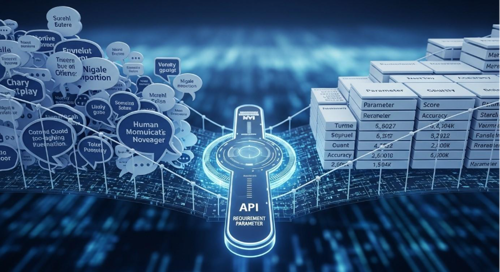
Getting reliable and precise output from AI systems starts with expressing requirements in clear and exact language. AI models dislike ambiguity in human language. Therefore, requirements must be defined with measurable and explicit parameters. The World Economic Forum's "Future of Jobs" report identifies Prompt Engineering as one of the most important professions of our time.
Example:
The prohibition of interest, which forms the foundation of participation banking, is a crucial point to consider in newly developed processes. Let’s take a traditional financing application analysis as an example. Instead of simply telling an AI-powered decision support system, “Evaluate the Profit/Loss Sharing financing application,” the analyst should clarify the requirement as follows: “A model should be developed to calculate risk with 95% accuracy, based on the customer’s commercial history, average monthly fund movements, and sector risk scores. The model must use only data pertaining to trading activities permitted within participation banking.”
This level of precision ensures that the AI operates in accordance with business logic and reduces the need for further verification.
2. SHIFT FROM OUTPUT TO OUTCOME AND BECOME A DRIVER OF VALUE
The impact of business analysts should no longer be measured solely by outputs such as documents, user stories, or process flow diagrams. Real impact must be tied to measurable business outcomes, such as reducing customer churn or increasing operational efficiency. This shift transforms the role from a documentation specialist to a value provider.
Example:
The success of a project aimed at improving our bank’s customer acquisition process through digital channels is no longer defined merely by the timely delivery of the requirements document. Success is now defined by measurable business outcomes:
- Outcome Metric: Reducing the rate at which users abandon the application before completion by 15% through the newly developed innovative process.
- Value: The resulting increase in business process efficiency and customer satisfaction (CSAT/NPS).
3. USE SENSEMAKING AND CRITICAL INQUIRY
The massive streams of data provided by AI have created information overload and higher cognitive load, making accurate interpretation harder. Sensemaking practices help isolate the critical signal from chaotic noise and enable more informed, strategic decisions. A core duty of business analysts is to add strategic and ethical context to the raw outputs produced by AI.
Example:
An AI model analyzing high-volume fund transfers conducted through our Corporate Internet Branch may detect an abnormal and inconsistent transaction pattern for a particular corporate customer. This is where sensemaking comes into play. AI only shows what has happened; the analyst, however, investigates why it happened: Is this anomaly the result of a system error or a malicious transaction, or is it a lawful and expected situation arising from a new strategic fund campaign recently launched by the customer? By questioning the AI’s outputs and adding context, the analyst arrives at the correct decision.

4. EXPAND YOUR INFLUENCE WITH STRATEGIC STORYTELLING
AI presents analyses and raw data; but to influence, persuade, and build shared vision, you need strategic storytelling. This capability blends creativity and empathy—uniquely human strengths that AI cannot replicate—so that complex AI analyses are translated into actionable language for executives and technical teams alike.
Example:
AI analysis revealed that 45% of customers who start the password reset process on digital channels abandon the process before completion. The business analyst transforms this high abandonment rate into a strategic story and presents it to the Board of Directors: “Our AI analyses indicate that the current steps in the password reset process are a sign of the cognitive load our customers experience while we try to ensure their security. This 45% loss is not just a technical issue; it also represents a negative customer experience that results in a monthly call center cost of X TRY. Therefore, we propose switching to a new, single-step, AI-powered biometric authentication system to optimize this process by 70% and enhance customer security.”

5. EVEN IF YOU DON'T CODE, INCREASE YOUR BASIC TECHNICAL FLUENCY
Business Analysts do not need to be developers, but they must have system fluency to bridge business logic and technical systems. Familiarity with data pipelines, APIs, and essential AI concepts is critical to clarify requirements in ways AI can understand. The Amazon example shows that AI assistants now produce around 30% of code, shifting developers' roles from active programming to supervising and reviewing AI-generated code.2
Example:
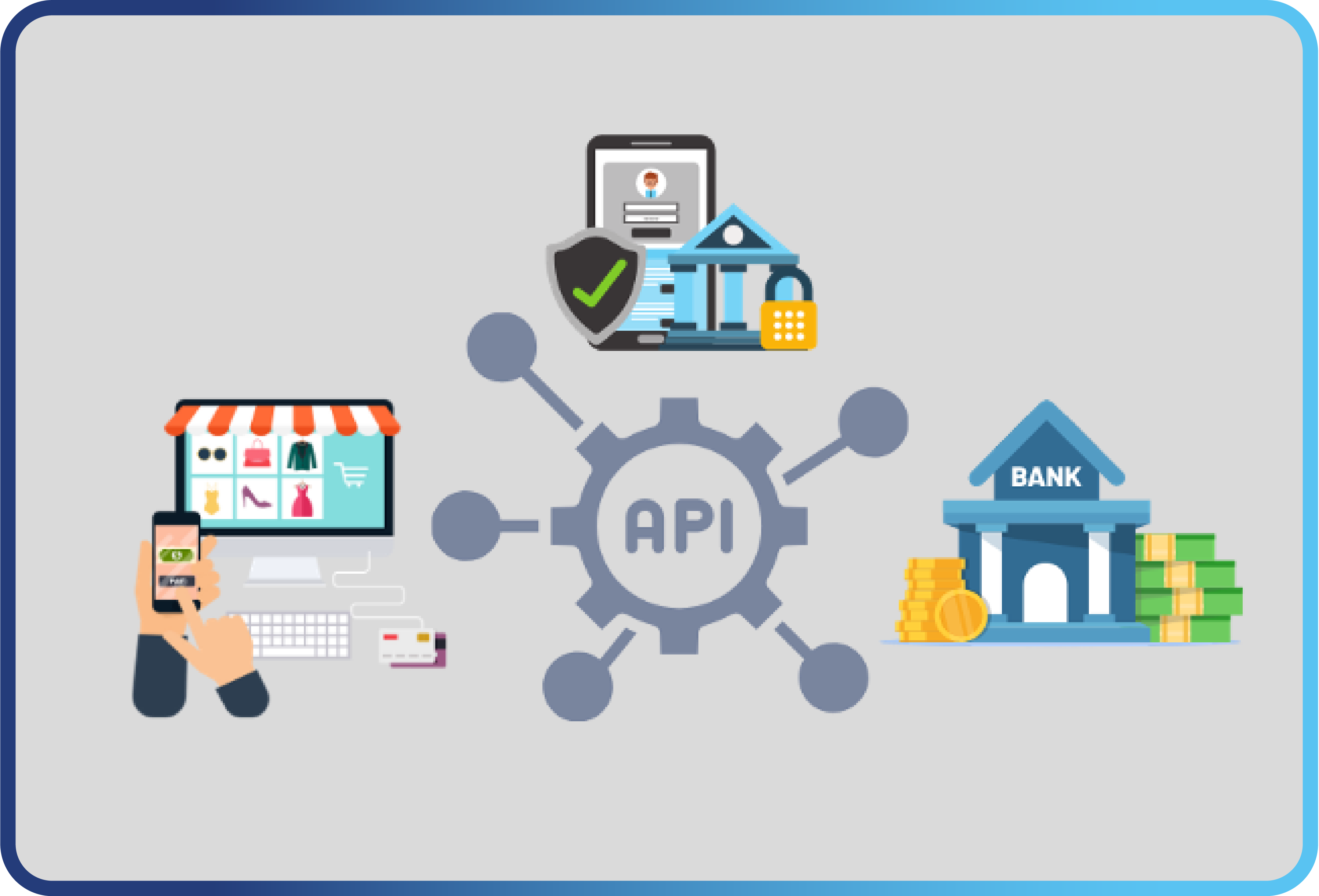
Assume a business analyst is defining requirements for a chatbot to be integrated into the mobile banking app to answer customer questions. Instead of telling developers merely "The chatbot should provide information to customers," a technically fluent BA clarifies: "The chatbot's Financing calculation module must make an encrypted API call to access the customer's account balance and annual fund movements. The outputs of this call must be real-time, and the output format should be JSON to be sent to the mobile app." This identifies the right interfaces and data pools needed by the AI model and enables a common language with technical teams.

In conclusion, in the age of AI the strength of a business analyst lies not in how many documents they produce, but in how well they interpret complexity and how effectively they tell the story of value.
AI gives us speed and data; the business analyst converts that speed into strategic direction and business outcomes.
The business analyst of the future is an interpreter and clarity-creator who turns technology's information into strategic vision.
"When the world moves faster, the clearest thinker wins. The Business Analyst's power is clarity. And clarity is more valuable than ever.”3
REFERENCES
-
IMF: Yapay Zeka ve İşin Geleceği Raporu. (2024, 1 Şubat). New Bilişim Teknolojileri.
-
Soylu, E. (2025, 30 Nisan). Kodların yüzde 30’u artık AI kaynaklı! Yazılım üretiminde yapay zekâ ağırlığı artıyor. N24 Teknoloji.
-
Adaptive US. (2025, 3 Temmuz). Redefining the Business Analyst Role in a Fast-Changing Digital Economy. Yazar: Sonal Singh.
ADDITIONAL SOURCES
-
BA-Works. (2025, 7 Ocak). Yapay Zeka Destekli İş Analistliği: Geleceğin En Önemli Mesleği.
-
Büyük Savunma Yazılım A.Ş. (2025). Yapay Zeka ve İş Analizi.
-
Giriş seviyesi işler ve yazılım geliştiricileri, Yapay zeka ve işgücü piyasası üzerindeki etkiler. (2025, 26 Mayıs). Yazar: Konrad Wolfenstein.
-
Pargesoft. Yapay Zeka ve İş Analizi Entegrasyonu
-
Webrazzi. (2024, 21 Ağustos). Yapay zeka ile iş hayatının geleceği: Fırsatlar ve zorluklar. Yazar: Göknur Ercan.