





























 Back
Back
1. What Is Test Independence and Why Is It Important?
Software testing is a set of planned activities aimed at evaluating software quality and reducing the risk of defects. One of the primary objectives of testing is to demonstrate the presence of defects and provide confidence to users, business units, and other stakeholders. The effectiveness of testing is directly related to its position and independence within the organization. [2]

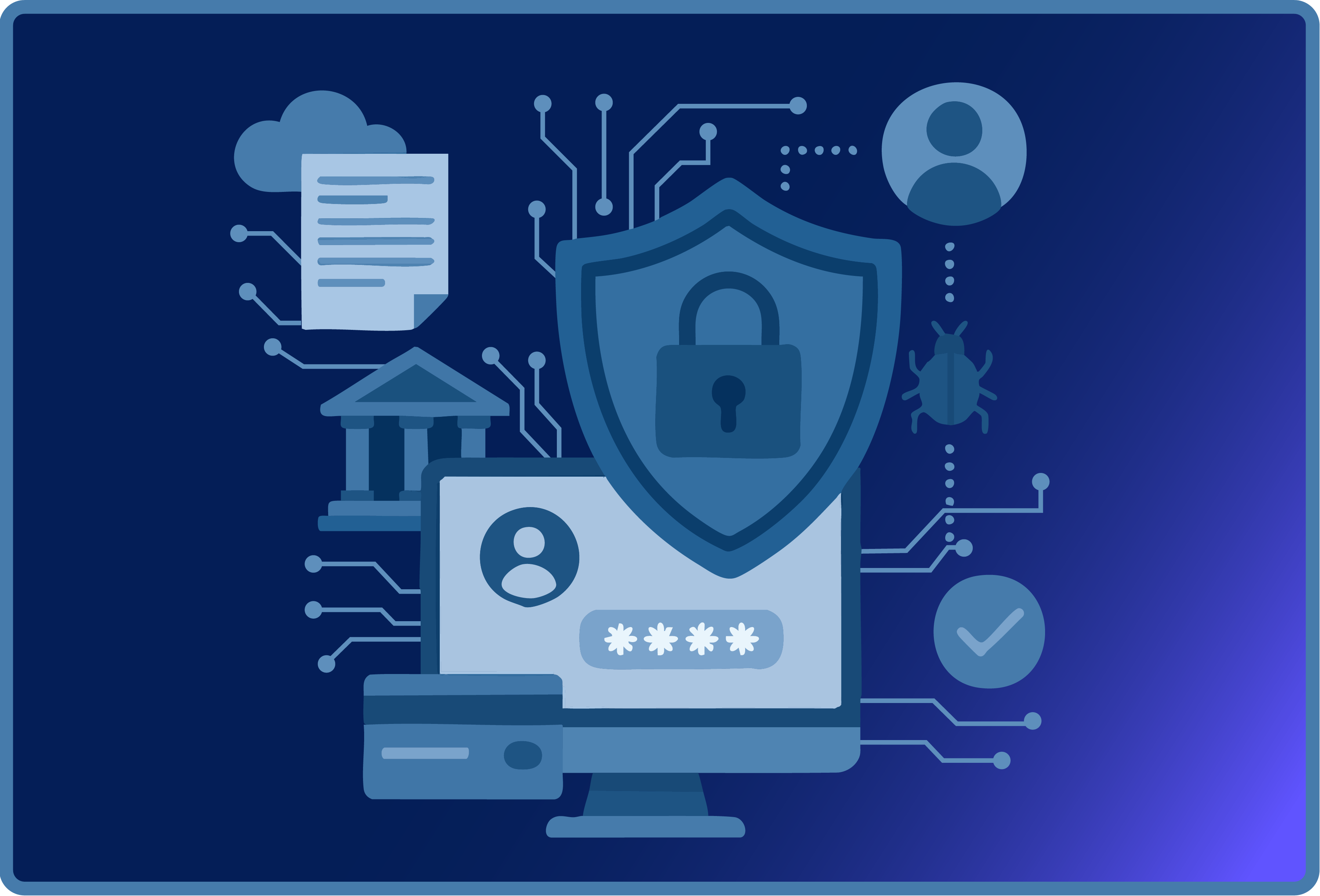
Image 1: Why Does Testing Need Independence [8]
Test independence refers to conducting testing activities at a certain distance from the individuals or teams who developed the software. This separation enhances objectivity and effectiveness. Independent testers, thanks to their diverse experience, technical perspectives, and quality-focused approach, often perform better at detecting different types of defects compared to developers. [2]
ISTQB (International Software Testing Qualifications Board) classifies test independence at different levels:
|
Level |
Description |
|
Level 1 |
The developer tests his own code (Lowest independence). |
|
Level 2 |
A different person within the same development team tests the code. |
|
Level 3 |
An independent test team within the organization tests the code. |
|
Level 4 |
An independent test team outside of the organization tests the code (Highest independence). |
Figure 1: Levels of Independence in Software Testing [2]
The best results are usually achieved by combining multiple levels of independence. For example, unit tests may be performed by developers from the same team, system integration tests by an independent test team, and acceptance tests by an external team representing end users. [2]
2. Similarities Between Testing and Auditing
To better understand the importance of test independence, it is useful to examine the similarities between testing and auditing.
Testing and auditing share significant similarities in purpose, process, and ethical principles:
- Purpose: Both aim to assess whether a system/product meets defined standards, requirements, or objectives, identify risks, and uncover improvement opportunities.
-
Independence: In both testing and auditing, independence of the practitioner is crucial for reliable and acceptable results.
-
Evidence-Based Approach: Like auditing, testing requires findings to be evidence-based. Test results should be supported by test cases, defect reports, and measurements.
-
Ethical Principles: Integrity, impartiality, confidentiality, professional competence and due care along with conduct appropriate professional conduct are fundamental ethical principles in both auditing and testing processes.
-
Reporting: Test reports, like audit reports, should be clear, concise, understandable, and evidence-based. The severity, impact, and recommended solutions for findings should be clearly stated.
-
Risk-Based Approach: Similar to audit planning, test planning adopts a risk-based approach. Critical functions and high-risk areas are prioritized.
In corporate governance, audit and inspection units are not subordinate to the teams they audit. This is not only a regulatory requirement but also a sign of organizational maturity. Likewise, the principle of test independence is considered an indicator of organizational maturity and a strong quality culture. [4]
TMMi (Test Maturity Model Integration) is an international maturity model used to assess and improve the maturity of software testing processes. It is considered the testing‑focused counterpart of CMMI, which defines an evolutionary improvement path for transforming immature processes into disciplined and mature ones. The principle of test independence is one of the key topics for TMMi. [1] [7]
3. Benefits and Challenges of Independence
Benefits:
-
Different perspectives lead to finding more and varied defects.
-
Enables more objective quality assessments among stakeholders.
-
Independence from development teams increases the reliability and acceptability of test results.
-
Allows testers to maintain a quality focus without being influenced by delivery pressures faced by development teams. [2]
Challenges:
-
Communication and collaboration gaps may arise between independent testers and developers.
-
Developers’ sense of responsibility for quality may weaken.
-
Independent test teams may be perceived as bottlenecks or blamed for delays. [2]
4. Test Position in Agile Processes and the Risk of Losing Independence
In Agile development processes, the principle of test independence takes on a different dimension. In Agile teams, quality is the responsibility of the entire team. Testers work alongside developers within the same team. Testing is part of the development team’s backlog, not a separate team’s plan. In this sense, Agile reduces some challenges associated with enforcing independence. [5]
However, direct reporting of testers to development teams can compromise independence. This may shift testers’ focus from quality to delivery, weakening the testing perspective during development. In short, adherence to test independence and its benefits may be undermined. [1]

Image 2: How Can Agile Transformation Be Successful [9]
Is it possible to enjoy the advantages of Agile while maintaining compliance with the principle of test independence without conflict?
5. Matrix Structure and Testing’s Position in the Organization
A matrix organizational structure allows testers to report both to the development team and to centralized test management. This model offers the following advantages:
-
Integration with Agile Teams: Testers work daily with development teams, participate in all sprint ceremonies, and act as team members.
-
Independence and Professional Development: Testers also report to centralized test management for process improvement, standards compliance, and professional growth. They represent quality within development teams and support the “whole team” approach to quality.
-
Promoting Quality Culture: Centralized test management plays a key role in improving organizational test maturity and spreading best practices. Through matrix structure, it retains authority over testers.
-
Ease of Coordination for Centralized Activities: Certain tasks require centralized coordination, such as:
- Tracking and reporting regression test results before production release and granting go-live approval.
- Monitoring and supporting test automation across the organization.
- Coordinating test processes in multi-channel projects.
- Managing routine tasks like report screen testing.
- Delivering domain-specific onboarding training for new hires.
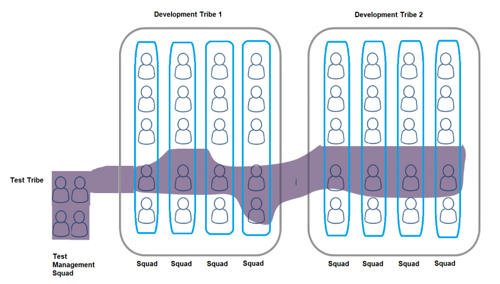 Figure 2: Test Management with a Matrix Organizational Structure
In such tasks, testers from different development teams are expected to participate. Centralized test management authority prevents conflicts and facilitates coordination. It also encourages participation in R&D projects and special task forces.
In an Agile context with a matrix structure, testers are both part of development teams and members of a centralized test organization, contributing to multi-channel initiatives, knowledge sharing, and continuous improvement. [1] [3]
6. Conclusion
The principle of test independence is critical for improving software quality and ensuring impartial evaluation. Independence prevents conflicts of interest and builds trust. In Agile environments, independence should be balanced through tester integration with development teams and reporting to centralized test management. A recommended best practice is a matrix structure where testers work within development teams while also reporting to centralized test management. This approach combines the speed and collaboration benefits of Agile with the quality assurance provided by independence. [1]
Ethical principles for independent auditors—Integrity, impartiality, confidentiality, professional competence, due care, and appropriate conduct—also apply to testers. These principles should be represented by a dedicated organizational structure, ensuring that test independence is preserved both in appearance and in practice. [4]
References
-
TMMi® Foundation – TMMi in an Agile World, 2019
-
ISTQB® Certified Tester – Foundation Level (CTFL) Syllabus, v4.0, April 21, 2023
-
ISTQB® Certified Tester – Expert Level Syllabus Test Management (Managing Testing, Testers, and Test Stakeholders), 2011
-
SPL – Information Systems Management and Audit, June 30, 2023
-
Ken Schwaber & Jeff Sutherland – The Scrum Guide: The Definitive Guide to Scrum: The Rules of the Game, November 2020
-
ISTQB Software Testing Glossary, v1.0, 2014
-
Türkiye Bilişim Derneği – Bütünleşik Yetenek Olgunluk Modeli (CMMI – Capability Maturity Model Integration), April 2008
-
Unbiased & Uncompromising: Why Software Testing Needs Independence: https://lighthousetechnologies.com/unbiased-uncompromising-why-software-testing-needs-independence/
-
10 Reasons Why Agile Transformations Fail and how yours can succeed: https://www.netsolutions.com/insights/how-to-prevent-agile-transformation-failure/