




























 Back
Back
What Is BaaS (Banking as a Service)? A Detailed Guide
Why is everyone talking about BaaS?
In recent years, we have much more frequently in the financial world: digital banking, fintech, open banking, and embedded finance. At the center of this transformation, there is a model that is increasingly being discussed: BaaS (Banking as a Service).
Today, seeing loan offers while shopping on an e-commerce platform, being able to open an account within seconds from a mobile application, or using a wallet through a super app has become quite common. One of the architectures behind these experiences is often the service model banking approach.
At this point, the same question comes to many people’s minds:
What is BaaS, what does BaaS mean, and how is it changing banking?
In this guide, we will address questions such as what banking as a service is, what the BaaS abbreviation means, and how this model is transforming the financial world—from a simple but deep perspective.
What is BaaS? Basic definition and “BaaS expansion”
Let’s start with the most fundamental question.
BaaS expansion: Banking as a Service.
In Turkish, it is generally translated as “banking as a service” or “service model banking.”
So, what is BaaS?
In the simplest definition:
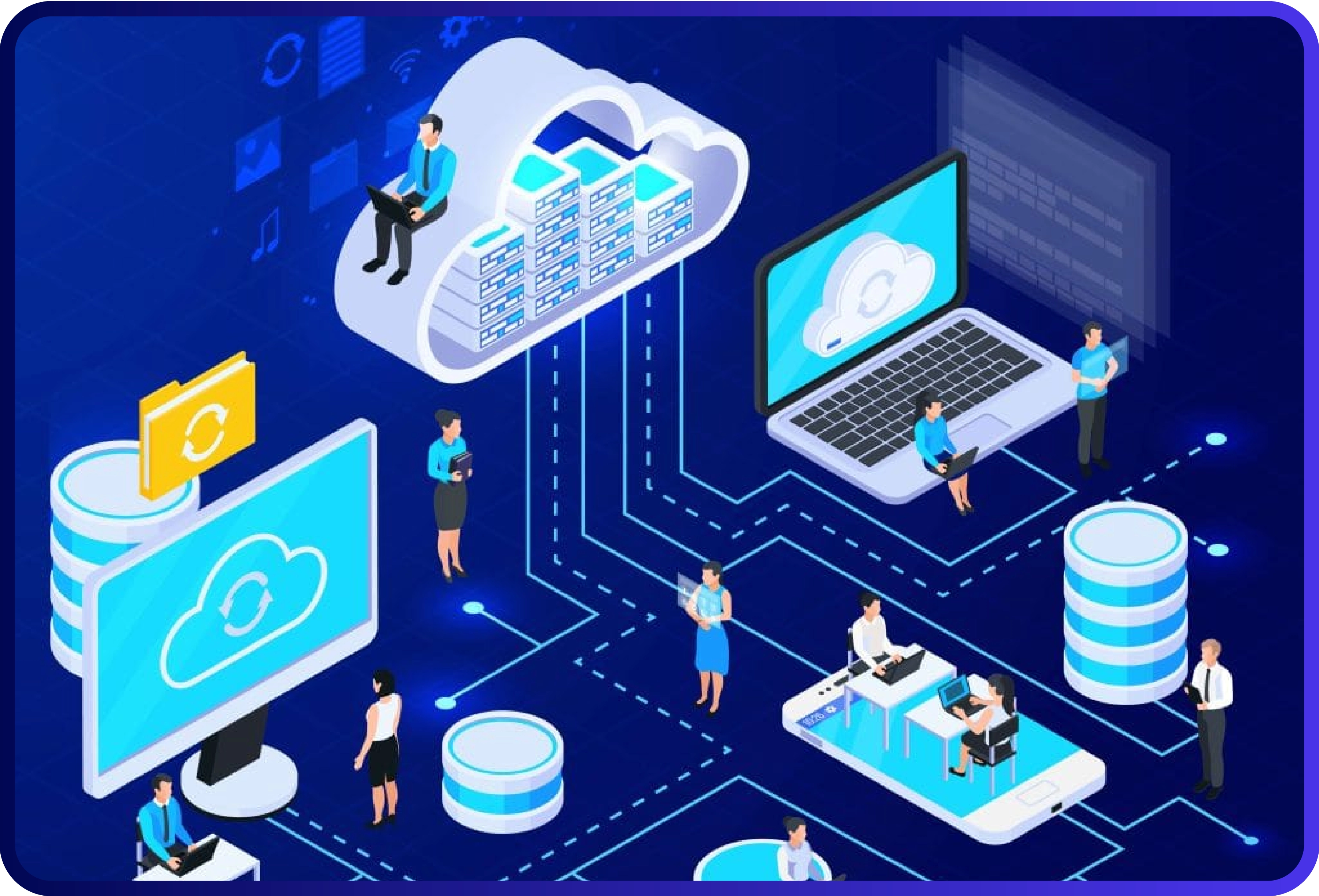
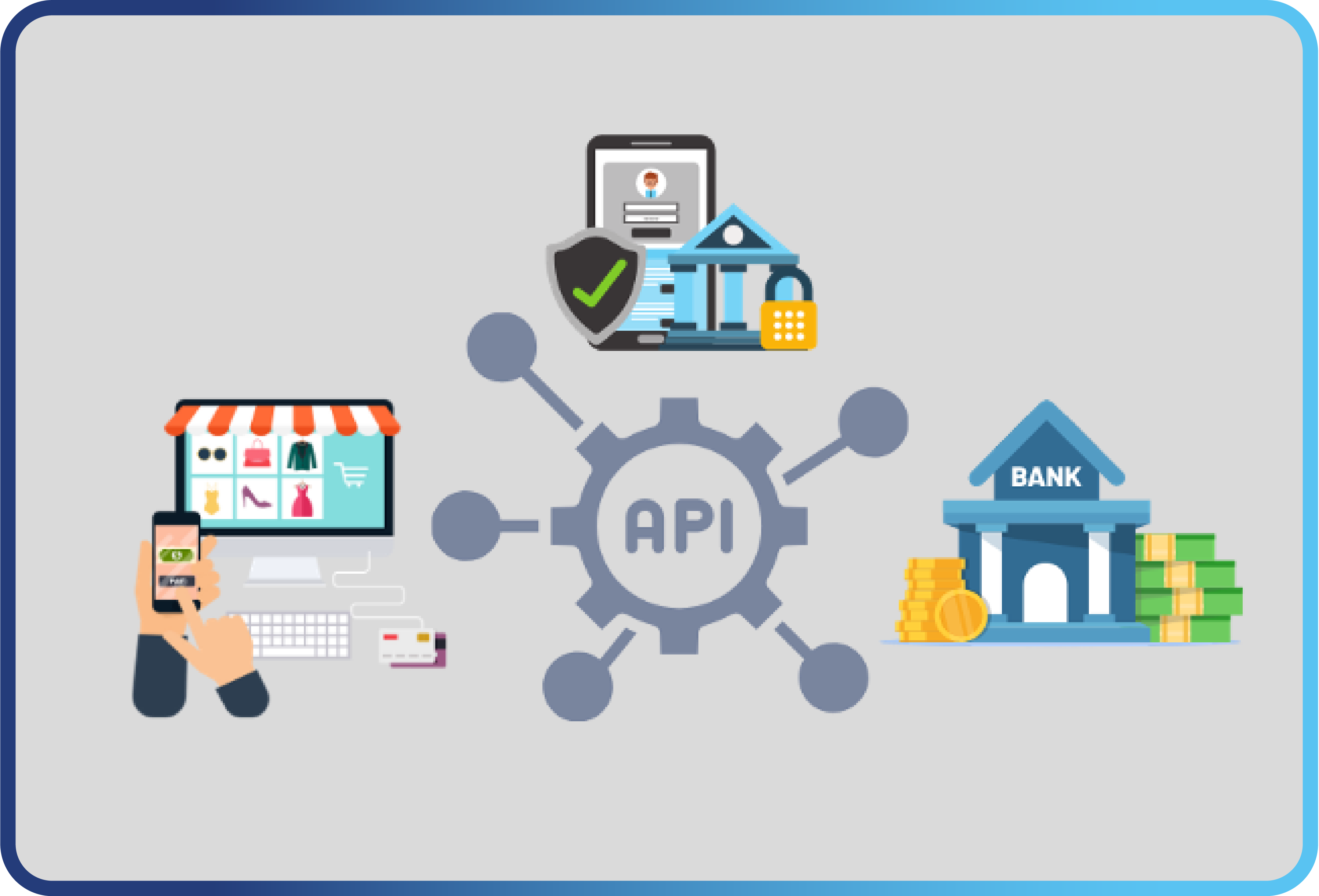
BaaS is the provisioning of banking infrastructure and financial services to other companies as a service via APIs (Application Programming Interface – software interfaces that enable applications to communicate with each other).
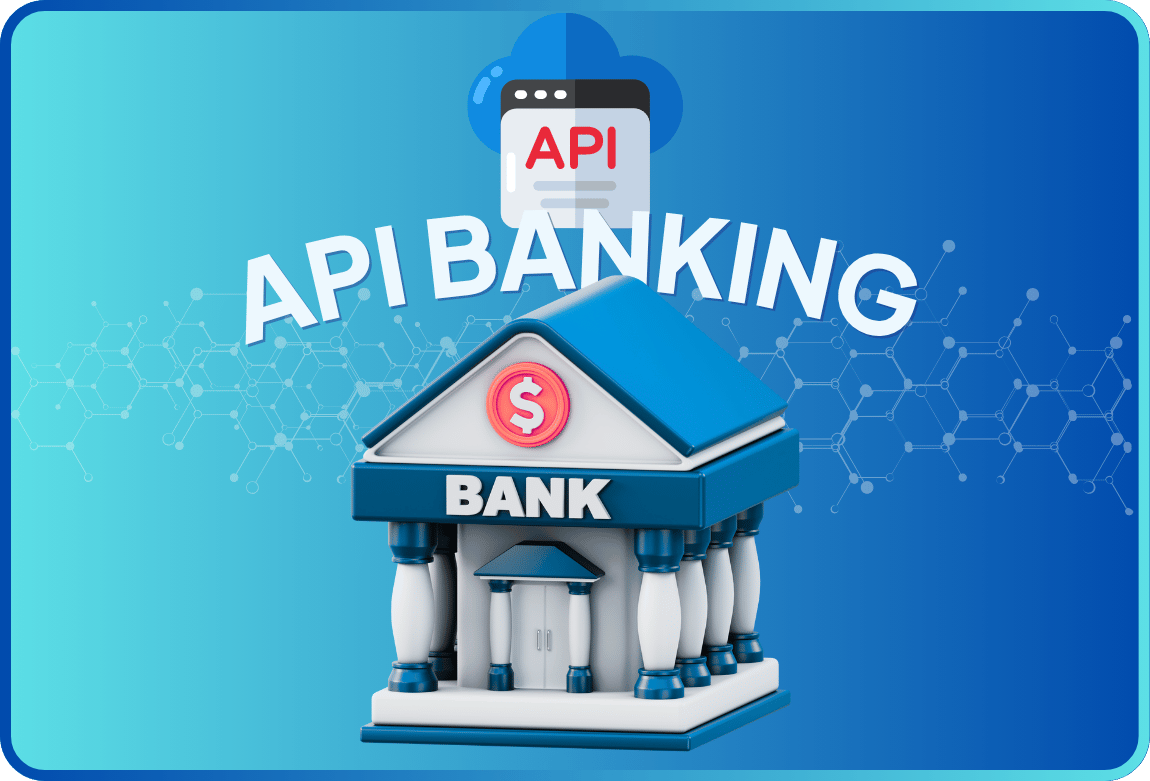
The concept of APIs forms the foundation of BaaS architecture. At this point, API banking integration enables the secure, fast, and scalable delivery of financial services offered by banks to different platforms and applications. If you would like to explore in more detail how APIs are used in banking, our article on API banking and its benefits can serve as a good starting point for understanding this infrastructure.
This allows banking services to be offered not only through banks’ mobile applications or branches but also within different platforms.
Let’s think of this with a real-life analogy.
There is an institution that provides the electricity infrastructure in a city. But the devices that use that electricity—televisions, computers, refrigerators—are produced by different companies.
A similar structure exists in the BaaS model:
- Bank: provides the financial infrastructure
- Fintech or platform: designs the user experience
- End user: uses the service within a different application
In other words, banking is no longer tied to a single application and becomes integratable into different digital products.
What is service model banking?
At this point, another frequently asked question arises:
What is service model banking?
Service model banking is a business model in which banking services are delivered through collaborations with different companies. BaaS is an important component that forms the technological and operational infrastructure of this model.
In this approach, the basic division of roles usually looks like this:
- Bank: provides the license, regulatory compliance, and financial infrastructure
- Fintech or platform: develops the user experience, interface, and product design
- Customer: uses the banking service within another application
If you want to examine the regulatory and operational aspects of service model banking in Türkiye in more detail, the article titled what is service banking can help you take a closer look at the regulatory and implementation dimension.
Let’s think of a simple example.
Imagine you are using a grocery shopping application. While shopping within the app, you may be offered the following services at the same time:
- in-app wallet
- shopping loan
- prepaid card
- collection account for sellers
From the user's perspective, this experience takes place within a single application. However, in the background, there is often a banking infrastructure and a banking as a service architecture operating.
For this reason, service model banking has become an important approach that enables financial services to be integrated into a broader digital ecosystem.
How does BaaS work? Key actors and flow
A BaaS ecosystem typically consists of four key actors:
- Licensed banks
Institutions with a banking license provide financial infrastructure in compliance with regulations. Core banking functions such as account opening, payment processing, and card infrastructure are provided here.
- Banking as a Service providers
These are platforms that act as technical bridges between banks and fintechs.
Banking as a service providers make banking services easier to use via APIs.
- Fintechs and platforms
E-commerce sites, super apps, financial applications, or various digital platforms fall into this category. These companies develop the user experience and product design.
- End users
Individuals or businesses using the banking service constitute the final link in this ecosystem.
To understand this system, a LEGO set analogy can be useful.
The bank infrastructure is like LEGO pieces.
APIs are the connection points linking these pieces.
Fintechs use these pieces to build a new structure—meaning a new financial product.
Example scenario 1: E-commerce platform
Imagine a marketplace platform.
This platform can offer its sellers the following services:
- seller account
- payment infrastructure
- sales financing
- collection management
Sellers can carry out all financial transactions within the platform without going to a bank.
Example scenario 2: Wallet inside a super app
Imagine a transportation or lifestyle app.
Within this app, users can:
- use a digital wallet
- add a card
- make in-app payments
In most cases, a banking as a service infrastructure operates behind this experience.
Benefits and risks of BaaS for banks, fintechs, and users
The BaaS model creates significant opportunities for different stakeholders. However, it also carries some challenges.
For banks
- Creates new revenue streams
- Enables access to new customer segments through different digital platforms
- Increases innovation speed through collaborations with fintechs
For fintechs and platforms
- Significantly shortens the financial product development process
- Eliminates the need to obtain a banking license
- Enables faster go-to-market using ready-made banking infrastructure
For end users
- Faster and smoother financial experiences
- Access to financial services within different applications
- Wider product and service options
However, there are some important risks and challenges:
- The complexity of regulatory and compliance processes
- Data security and privacy concerns
- Operational dependencies between business partners
Therefore, strong technical architecture, clear responsibility distribution, and robust security standards are critical in BaaS ecosystems.
Future perspective: Where is service model banking heading?
In the next 5–10 years, banking experiences are expected to become even more platform-based.
Many experts foresee that financial services will increasingly be offered not from banks’ applications, but within different digital ecosystems.
For example:
- e-commerce platforms may offer their own financial products
- logistics companies may provide financial services to their drivers
- software platforms may develop integrated payment and financing solutions for businesses
In these scenarios, banks do not disappear. On the contrary, they assume a more invisible but critical role as infrastructure providers.
Therefore, service model banking does not mean that banking changes entirely, but rather that it is repositioned.
Conclusion:
In summary, the simplest answer to the question “What is BaaS?” is this:
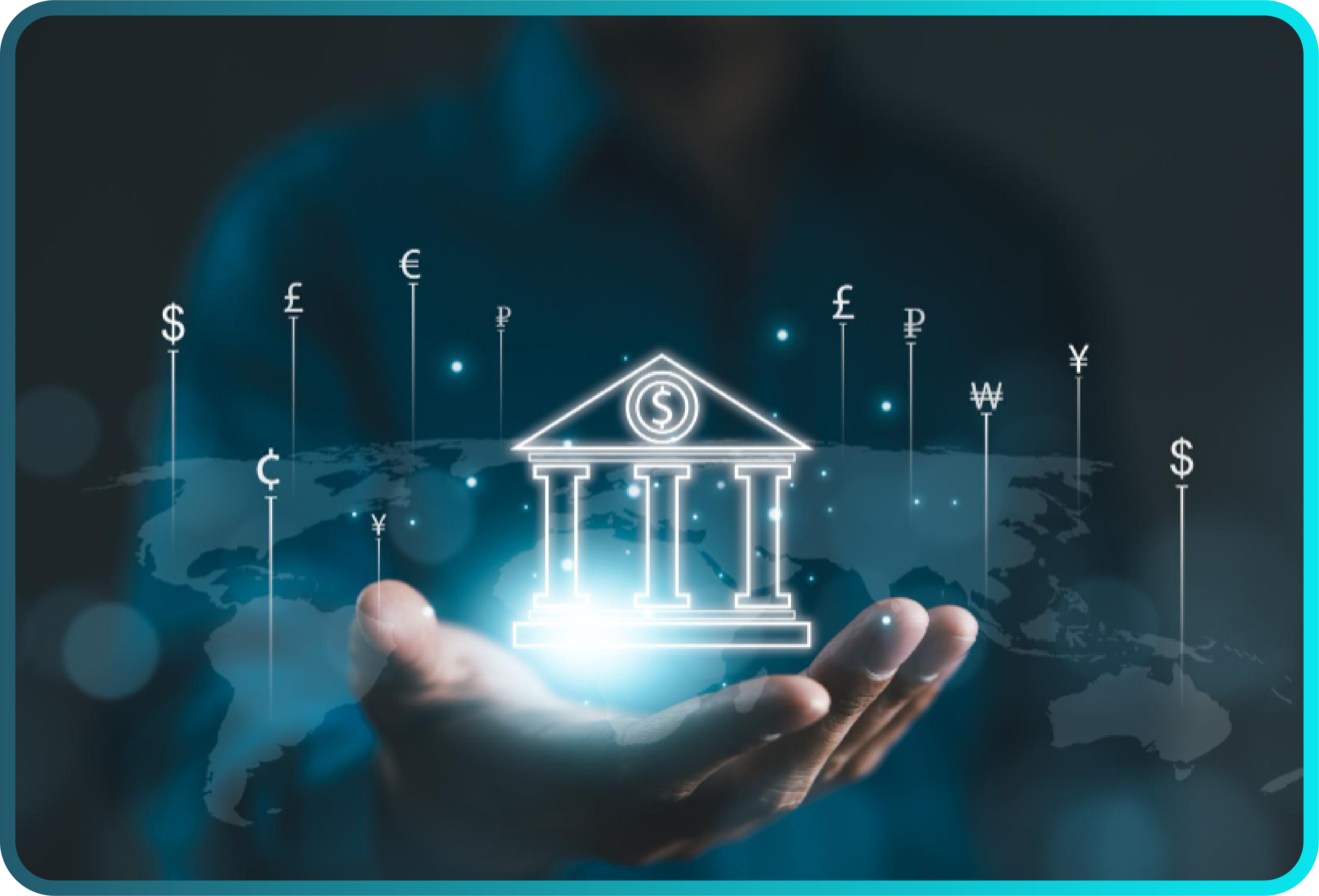
BaaS is a model that enables the provisioning of banking infrastructure to different companies via APIs and allows financial services to be integrated into digital platforms.
Through this model, service model banking creates a new field of collaboration between banks, fintechs, and digital platforms.
And most likely, thanks to this model, the way we use financial services in the coming years will become much more invisible, integrated, and seamless compared to today.