




























 Back
Back
The Use and Impact of Artificial Intelligence Chatbots (AI Chatbots) in Banking
Touchpoints have changed, the expectation standard has risen
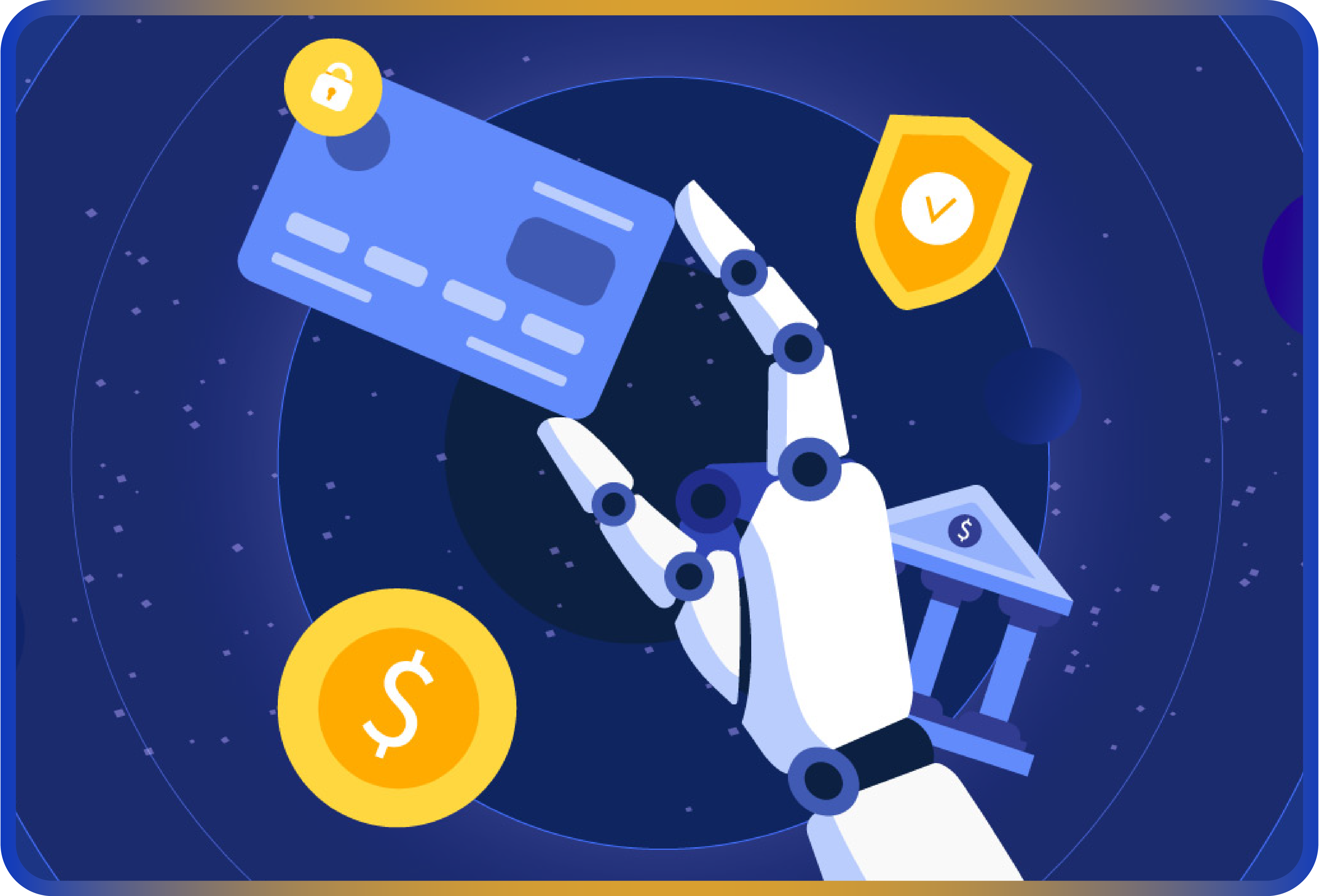
In banking, customer expectations have moved from the level of “solve my problem” to the level of “solve my problem instantly, seamlessly, and correctly.” The branch is still important; however, the mobile application, internet banking, call center, social media, and even messaging channels have become parts of a single experience. In these multiple touchpoints, the real competition is driven not by the number of products, but by speed, consistency, and trust. At the center of this transformation are AI chatbots and assistants that, when designed correctly, strengthen a bank’s digital reflexes.
If you would like to read the broader framework of the topic, the article “Banking and the Use of Artificial Intelligence: Current Situation and Future” on the Architecht Blog offers a strong complementary perspective:
From the question “What is a chatbot?” to the world of chatbot AI
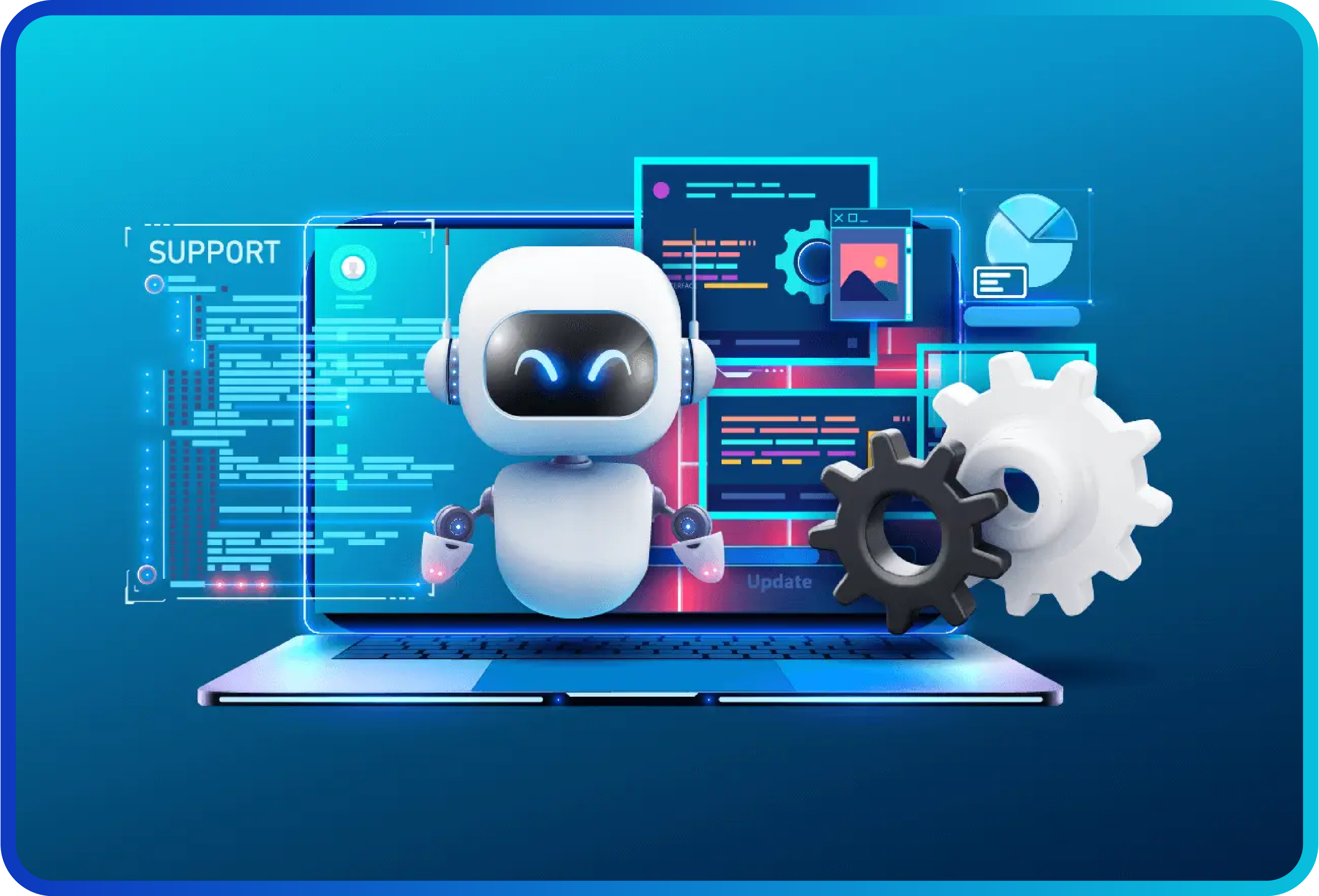
In its simplest definition, what is a chatbot: it is a digital assistant that talks to the user through text or voice channels, understands the request, and produces a response. In banking, first-generation examples generally operate with a “menu” logic, carrying flows such as “press 1, select 2” into a conversational interface. This model is the rule-based chatbot approach; with good flow design, it solves many common scenarios, but its flexibility is limited.
In the chatbot artificial intelligence approach, the goal is not to “make users click options,” but to extract the customer’s intent from natural language and initiate the correct process. Two critical differences emerge here:
- Intent understanding and context: When the user says “My card is lost, close it immediately,” the system understands this as a “lost card notification,” directs the user to the card closure/replacement step, and requests additional verification when necessary.
- Response generation and access to information: Modern AI chatbot solutions can access the bank’s knowledge base (FAQs, product terms, procedures) and generate more “human-like” and explanatory responses. The core value here is increasing the likelihood that the customer receives the “right answer in a single interaction.”
In short, rule-based models aim to be “a good menu,” while chatbot AI aims to be “a good advisor”—provided that the right data, security, and governance are in place.
AI chatbot use cases in banking (with practical scenarios)
1) Customer services: 24/7 support and self-service transactions
A large portion of the requests that increase the call center’s workload are repetitive and clearly defined topics: password resets, card limit inquiries, temporary card blocking, EFT/FAST fee information, and similar issues. An AI chatbot can greet customers 24/7 and manage the process step by step.
Example: For a customer who says “I forgot my mobile banking password,” identity verification steps and secure guidance are provided, allowing the customer to complete the transaction without waiting.
2) Sales and cross-sell recommendations
The critical point here is not “sales pressure,” but offering the right proposal at the right moment of need. For example, if a user asks “I’m going abroad, is my card enabled?” it makes sense for the assistant to show international usage settings and, if necessary, inform the user about travel insurance. A well-designed AI chatbot increases satisfaction when it gets the timing and tone right; otherwise, it can damage trust.
3) Credit pre-assessment, campaign information, account transactions
The credit process often progresses within the triangle of “document list + eligibility + limit.” The chatbot AI approach can offer the customer a short pre-assessment dialogue and direct them to the appropriate channel.
Example: When a customer requests “I want to increase my credit card limit,” the need for an income update, the current limit policy, and the application steps are explained clearly, eliminating uncertainty.
4) Internal assistants for employees: procedure and documentation support
In banking operations, fragmented information is costly. Product terms, campaign exceptions, transaction steps, and approval mechanisms may exist in different documents. An employee who asks the internal assistant “What is the refund condition in this campaign?” can quickly access the correct document. This reduces training effort, lowers the risk of incorrect transactions, and raises the operational standard.
Regulation, security, and ethics: Designing with Turkey’s reality
A system that speaks in banking is not merely an interface that “produces answers”; it is also a risk management tool. Therefore, in Turkey, the design must address three core dimensions together:
- KVKK (data privacy):
The purposes of processing personal data, retention periods, scenarios requiring explicit consent, and the data minimization approach (only collecting what is necessary) must be clearly defined. An AI chatbot should not request unnecessary data during conversations, should apply masking, and should manage data according to “secure storage” principles.
- BDDK’s supervision and audit expectations:
Auditability is essential in banks’ outsourced services, information systems, and operational processes. For chatbots, this means logging, versioning, change management, and the ability to leave an audit trail to answer the question “Why was this response given?” when required.
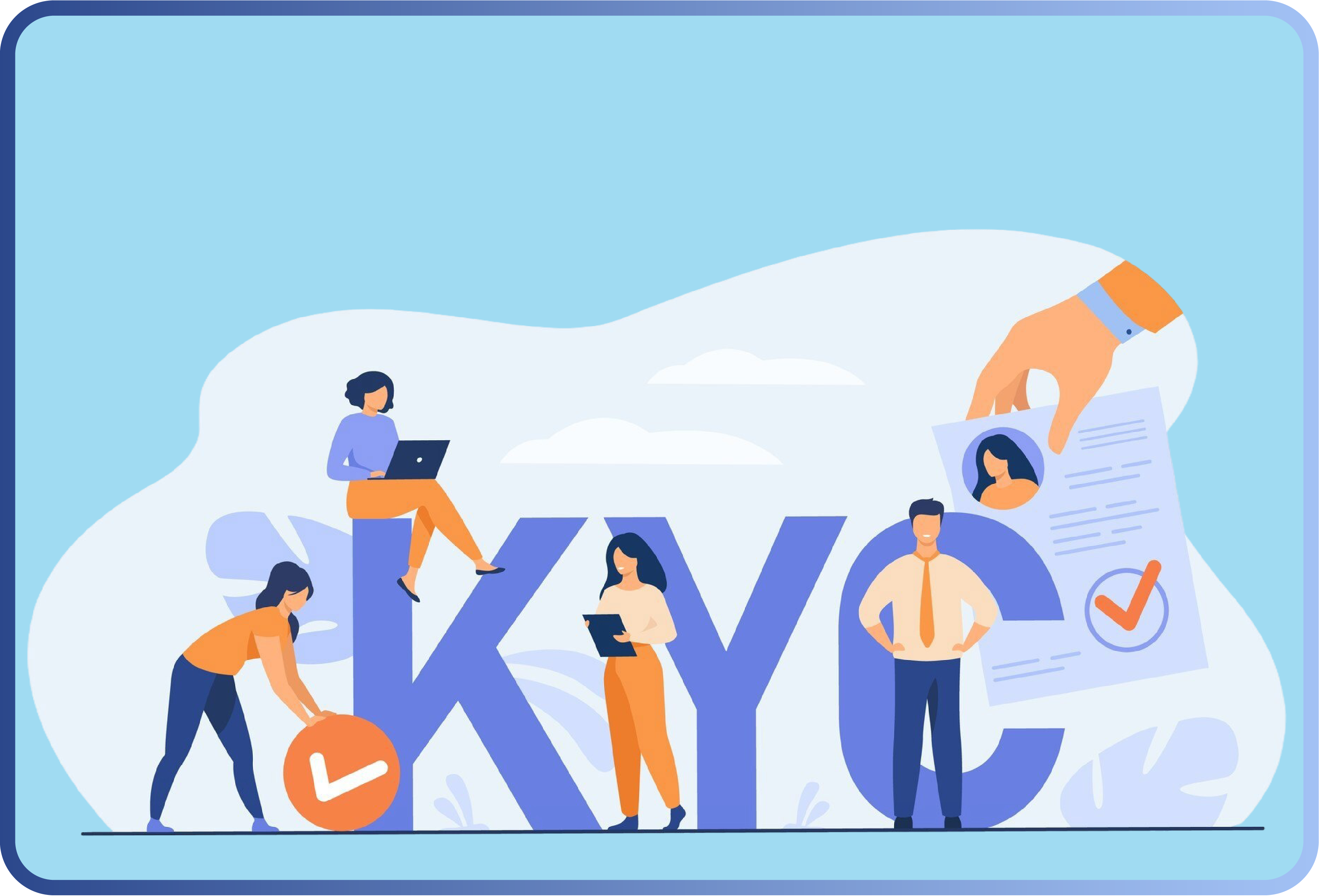
- MASAK perspective (KYC and suspicious transaction risk):
Know Your Customer (KYC) processes and suspicious transaction monitoring become critical, especially in identity verification and transaction initiation scenarios. An AI chatbot cannot provide “convenience” by skipping verification steps; on the contrary, with the right risk rules, it creates opportunities such as guiding the customer correctly, completing missing information, and detecting suspicious patterns early.
Within this framework, a good design prioritizes data retention, logging, auditability, and accurate customer information from the outset. Transparency (clearly stating that the assistant is AI), explainability (providing justification in critical decisions), and trust (control layers that reduce misguidance) are the practical counterparts of the “ethics” dimension.
Strategic impacts: From operational efficiency to customer experience
The common conclusion of global consulting reports is this: for banks, the first and most visible gain of artificial intelligence is operational efficiency, while the most lasting gain is customer experience. Shifting repetitive call center requests to self-service channels optimizes costs while increasing accessibility during peak hours. When response times drop to seconds, customer perception evolves into the feeling that “my bank is close to me.”
On the more strategic side, personalization comes into play. When the customer’s past interactions, preferences, and context are used correctly, the experience shifts from “form filling” to “intelligent guidance.” For banks, this creates a space for differentiation, because even if products are similar, experiences are not.
Future perspective: Omni-channel, LLM, and the multi-agent approach
In the coming period, competition will be less about having good conversations in a single channel and more about consistency across multiple channels (omni-channel). A customer should be able to continue a request started on the web on mobile, and when transferred to the call center, the same context should be preserved. Large language models (LLMs) are changing the game here: with their capabilities in language understanding, summarization, and guidance, assistants become more context-aware.
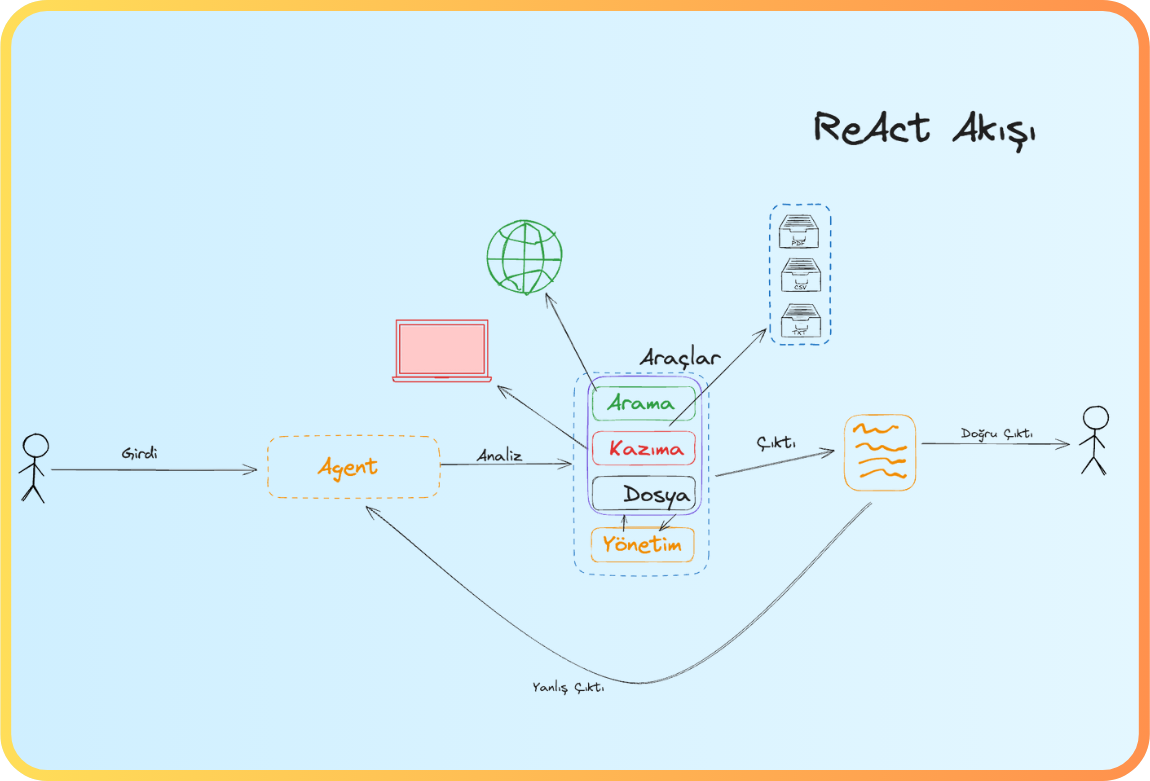
One step further, multi-agent architectures—where multiple specialized agents work together—are gaining attention. For example, in a “lost card” process, one agent can manage security verification, another card replacement, and another logistics communication. When combined with strong governance, this approach makes the chatbot AI experience more “human-like,” but the core requirement remains the same: control, logging, and audit.
As an example that brings this vision into banking practices, Architecht’s AIgent Suite solution family focuses on enabling organizations to build their own assistants/agents using their own content and data through an LLM-based Gen AI approach, and to reflect a natural and clear communication channel across both customer and employee experiences. For those interested, the product page:
https://architecht.com/urunler/aigent-suite/
Conclusion: Why is an AI chatbot not an “option” but a “necessity”?
Today, the use of AI chatbots in banking is not just a matter of “innovation”; it is the natural outcome of expectations for speed, consistency, and trust. Customers want solutions at any time of day, in the shortest possible way, and done correctly. For banks, this is a matter of reputation and competitiveness as much as efficiency.
As you take steps in this area, I especially recommend paying attention to the following points:
- Strategy and scope: Start with high-volume, low-risk scenarios, then expand gradually.
- Regulatory compliance: Place KVKK, BDDK audit expectations, and MASAK/KYC requirements at the very beginning of the design.
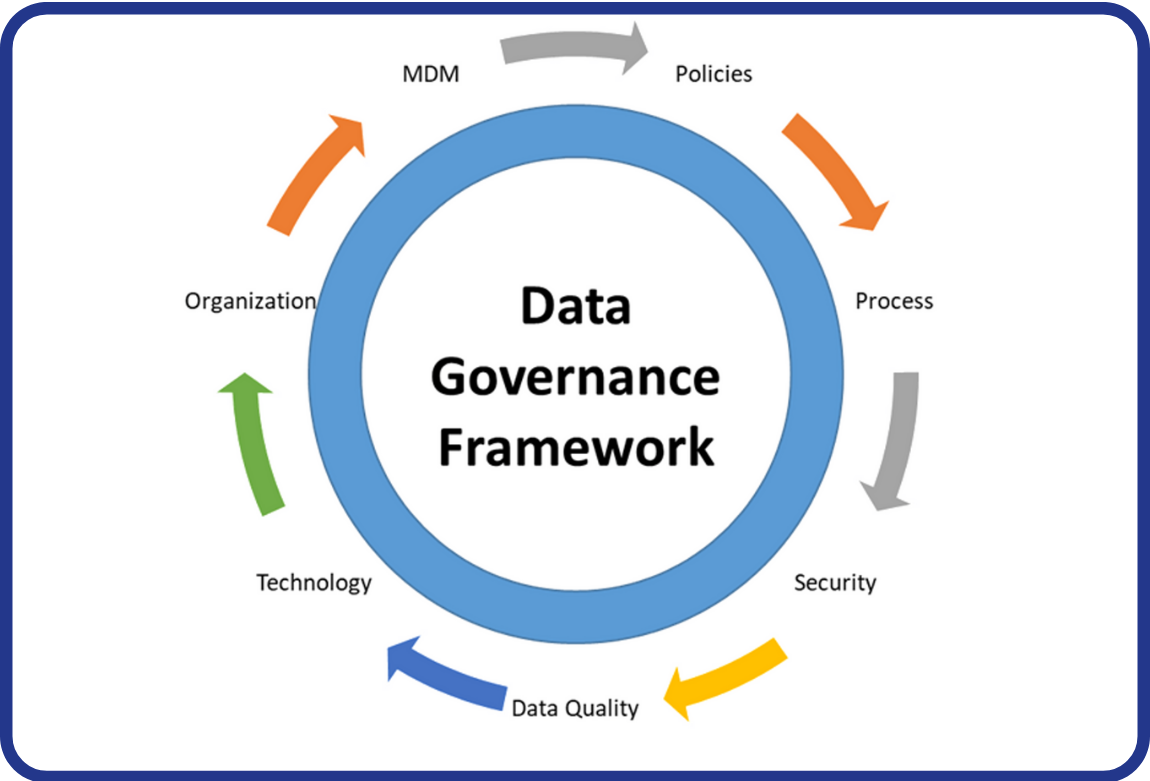
- Data and governance: Do not scale without data minimization, masking, logging, and auditability.
- Experience design: Use solution-oriented language, not “sales”; design seamless handover to humans when necessary.
- Technology selection: Evaluate the chatbot AI and LLM approach together with control layers and the security architecture.
With the right setup, an AI chatbot strengthens the bank’s reflexes in digital channels; with the wrong setup, it undermines trust. That is why the issue is not “building a chatbot,” but building a sustainable chatbot AI capability with a mindset that understands the sensitivities of banking.